Small Rooms, Big Futures: The Birmingham Venues Where Tomorrow's Headliners Are Playing Tonight
Small Rooms, Big Futures: The Birmingham Venues Where Tomorrow's Headliners Are Playing Tonight
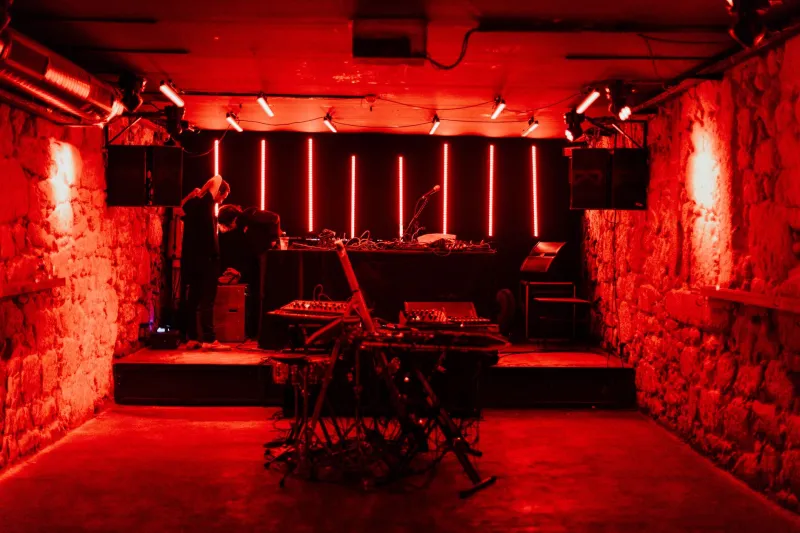
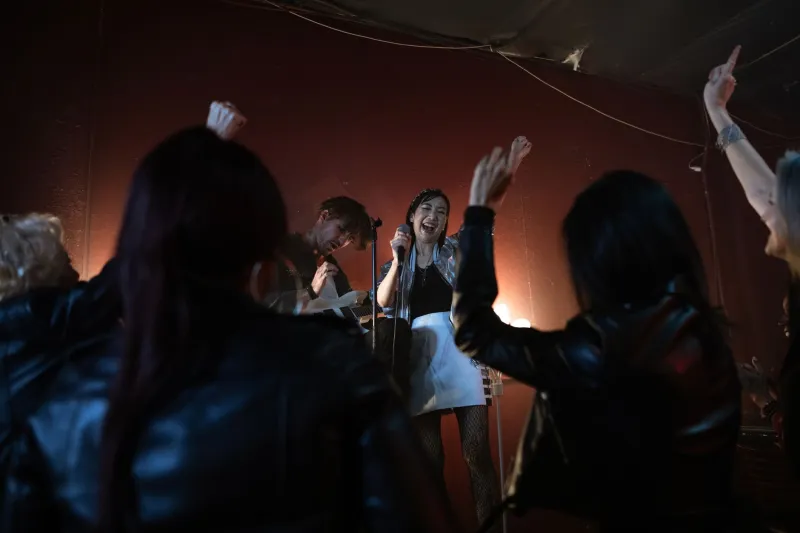
There's a particular kind of magic that only exists in a room with a low ceiling, a sticky floor, and a band playing about three feet from your face. No barrier. No screens. No nosebleed seats. Just music happening right in front of you, raw and unfiltered, in a space where you can see the guitarist's fingers and feel the bass in your chest. Birmingham has always had this. The city's grassroots live music circuit is alive, scrappy, and quietly producing some of the most exciting talent in the UK right now — you just need to know where to look.
This isn't a nostalgia piece. It's a guide to showing up now, while tickets are still a fiver and the artist still remembers every face in the crowd.
Why the Small Room Always Wins
Ask anyone who's seen a band they love in a 100-capacity venue and then watched them graduate to a 10,000-seat arena. The first experience wins, every time. There's an intimacy to grassroots gigging that money literally cannot buy later. You're watching someone figure out who they are on stage. The banter between songs is unscripted. The setlist might change halfway through. The whole thing feels alive in a way that a polished stadium production — for all its spectacle — simply can't replicate.
Birmingham understands this instinctively. The city's music history is built on back rooms and basements. The same energy that shaped the metal scene in the '70s and the rave explosion of the '90s is still pulsing through the city's smaller spaces today. The lineage is real, and the venues carrying it forward are worth your time.
Digbeth: The Spiritual Home of Birmingham's Emerging Scene
If you're serious about catching new music in Birmingham, Digbeth is your starting point. The neighbourhood's industrial bones — warehouses, arches, converted factories — lend themselves perfectly to live music. The acoustics aren't always polished, but that's part of the appeal.
The Flapper on Cambrian Wharf is one of those venues that feels like it's been there forever, because it essentially has. A canal-side pub with a dedicated live music room upstairs, it's been putting on gigs for decades and shows no signs of slowing down. The booking policy leans toward indie, rock, and alternative, and the track record for catching acts early is genuinely impressive. If a Birmingham band is gigging here on a Thursday night, pay attention.
Further into Digbeth, Mama Roux's operates on a different frequency entirely. The New Orleans-inspired bar and venue has cultivated a reputation for eclectic, genre-fluid bookings — one night it's a soul revue, the next it's a punk two-piece from Wolverhampton. The space itself is wonderfully odd, decked out in taxidermy and fairy lights, and the stage is intimate enough that you're practically sharing the mic. It rewards curiosity.
Moseley: Acoustic Nights and the Art of the Quiet Discovery
Moseley has long been Birmingham's bohemian heartland, and its live music scene reflects that. The neighbourhood's pubs and backroom spaces tend toward the acoustic and the introspective — singer-songwriters, folk acts, and the kind of gentle experimental music that sounds best with a pint of something decent in hand.
The Dark Horse on York Road is essential. A proper neighbourhood pub with a genuine commitment to live music, it hosts regular acoustic showcases and open mic nights that attract a mix of established locals and first-timers. The atmosphere is warm and unpretentious, and the standard is consistently higher than you'd expect. More than a few artists who've played here have gone on to serious things.
The Hare and Hounds in Kings Heath — just south of Moseley proper — deserves a mention too. It's slightly larger than a true grassroots venue, but its upstairs room remains one of the best mid-size spaces in the city. The bookers have an excellent ear, and it functions as a crucial stepping stone between the tiny rooms and the bigger stages.
The Promoters Doing the Real Work
Venues are only as good as the people booking them, and Birmingham has a handful of promoters who deserve serious credit for the city's grassroots health.
Keep an eye on what Capsule are doing — the arts organisation has been championing experimental and heavy music in Birmingham for years, and their events consistently platform artists you won't see anywhere else in the city. Similarly, the independent promoters operating through platforms like Skiddle and Dice are often the first to bring in touring acts before they blow up. Following a few of the more active local promoters on social media is genuinely one of the best ways to stay ahead of the curve.
Word of mouth still matters enormously in this world. The Birmingham music community is tighter-knit than outsiders assume, and if you start attending regularly, you'll quickly find yourself in the loop for shows that aren't widely advertised.
How to Actually Find the Gigs
This is the practical bit. Birmingham's grassroots scene doesn't always shout about itself, which is partly what makes it worth hunting down.
- Dice and Skiddle are the most reliable ticketing platforms for smaller shows in the city. Set up alerts for your favourite venues and you won't miss much.
- Wegottickets is worth checking too, particularly for independent promoters who prefer its lower fees.
- Most of the venues mentioned here are active on Instagram — following them directly is the quickest way to catch last-minute announcements and support slot additions.
- The Birmingham Music Archive website and associated social channels are a goldmine for anyone interested in the city's live music culture, past and present.
- Simply turning up at a venue on a quiet Tuesday and asking the bar staff what's coming up works surprisingly well. People who work in these places tend to be genuinely enthusiastic about the music they're booking.
The Bigger Picture
Birmingham's grassroots venues are under the same pressure that's squeezing small music spaces across the UK — rising costs, noise complaints, the relentless economics of running a live room. It's worth being deliberate about supporting them. Buy the ticket in advance. Buy a drink. Tell someone else about the show.
Because the alternative — a city where the only live music happens in arenas and corporate-sponsored festival fields — is considerably less interesting. The small rooms are where the real stuff happens. Always have been.
Get in them while you can.