Pints Grew Up: The Quiet Revolution Reshaping What Birmingham Drinks
There's a version of Birmingham's drinking culture that still lives in the collective memory — sticky carpets, Carling on tap, a Wetherspoons on every high street corner. That version isn't entirely gone, and honestly, nobody's asking it to leave. But something else has been quietly growing alongside it. Something with more flavour, more curiosity, and — crucially — more soul than the craft beer revolution managed in cities that tried too hard to be cool about the whole thing.
Birmingham, characteristically, did it its own way.
The Shift Nobody Announced
If you were paying attention around 2016 or 2017, you'd have noticed a few things happening simultaneously across the city. Small taprooms started appearing in Digbeth's railway arches. Independent bottle shops began stocking things you'd never seen on a supermarket shelf. And a handful of bar owners — mostly people who'd grown up in the city, loved it fiercely, and were quietly tired of having to travel to London for a decent glass of natural wine — decided to do something about it.
There was no manifesto. No scene. Just a gradual accumulation of good decisions made by people who gave a damn.
The result, several years on, is a drinking landscape that can genuinely hold its own against any city in the UK. Not because Birmingham is trying to be somewhere else, but because it finally started being more fully itself.
Digbeth: Where It Started Getting Interesting
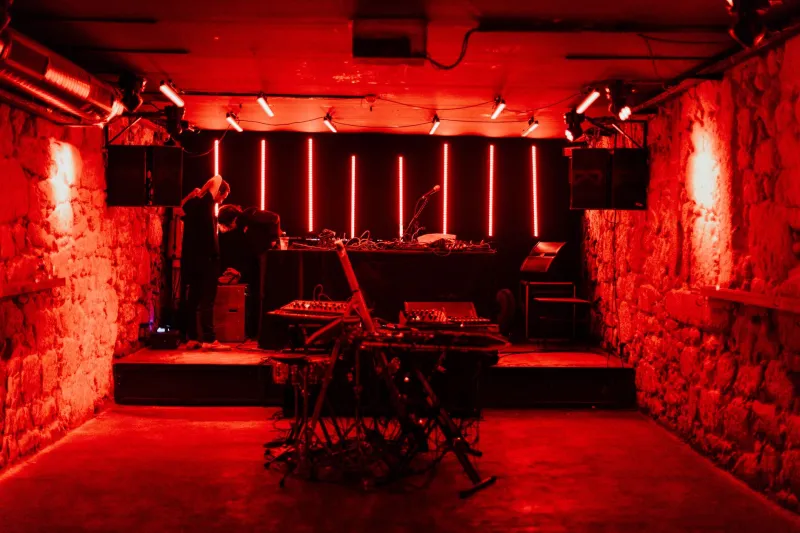
If there's a spiritual home for Birmingham's drinks evolution, it's Digbeth. The neighbourhood has always had a certain raw energy — warehouses, creative studios, late-night venues operating at the scruffier end of the spectrum — and that atmosphere turned out to be exactly the right breeding ground for independent drinking culture.
The craft taprooms that set up here didn't arrive with fanfare. They arrived with kegs, mismatched furniture, and an honest enthusiasm for what they were pouring. Places like Dig Brew Co turned their own brewing operation into a destination in itself, letting people drink metres from where the beer was made. That directness — brewer to glass, no middleman — is part of what made it feel different from the polished craft bar aesthetic that sometimes tips into performance.
The crowd that found these places wasn't exclusively the bearded, notebook-carrying stereotype that lazy journalism liked to attach to craft beer. It was nurses finishing shifts. Architects. Students. Office workers who'd wandered in on a Thursday and stayed until close. Birmingham's drinking culture, even when it's getting sophisticated, tends to stay democratic.
Natural Wine Found a Home Here
The natural wine movement arrived in Birmingham a little later than it did in London, which turned out to be a blessing. By the time it landed properly, the city had watched the capital go through all the phases — the evangelical weirdness, the orange wine snobbery, the inevitable backlash — and could skip straight to the good bit: just drinking interesting bottles with people you like.
A handful of wine-focused independents have been instrumental in this. Bottle shops in Harborne and Moseley started stocking low-intervention wines alongside their craft beer selections, educating customers without lecturing them. Bar owners with genuine knowledge of the subject hired staff who could talk about skin-contact Slovenian whites without making anyone feel stupid for not knowing what that meant.
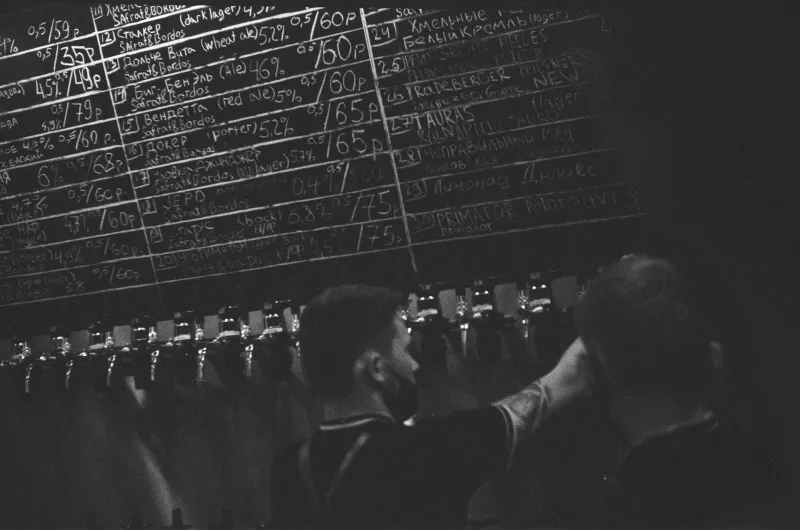
The venues that got it right understood something important: natural wine in Birmingham couldn't arrive with the same energy it did in Hackney. It had to fit into a city that's allergic to pretension, where the quickest way to lose a customer is to make them feel like they're being tested. So the good spots kept it relaxed. Chalkboard lists, honest prices, staff who'd tell you straight if something was a bit funky and whether that was a good thing or not.
The Bottle Shop Effect
One of the most underrated parts of the whole shift has been the rise of the independent bottle shop as a social space. These aren't just places you nip into for a six-pack. The best ones — scattered across Harborne, Stirchley, and the Jewellery Quarter — function as informal community hubs, hosting tasting evenings, small producer pop-ups, and the kind of conversations about fermentation and terroir that would have seemed absurd in Birmingham a decade ago.
What makes them work is that they're not precious about it. You can walk in knowing nothing and leave with something brilliant because someone took two minutes to ask what you usually drink and pointed you somewhere more interesting. That approachability is doing more for Birmingham's drinking culture than any amount of Instagram-ready interiors.
The People Behind It
Every revolution, quiet or otherwise, needs its characters. Birmingham's drinks scene has them — though they tend to resist the spotlight in the way that Brummies generally do.
There are the brewers who started homebrewing in garages and now supply some of the city's best restaurants. The wine importers who got obsessed with a particular region and built a business around sharing that obsession. The bar managers who spent years working in hospitality and finally opened the place they always wanted to drink in themselves. The bottle shop owners who came from completely different industries and retrained because they couldn't stop thinking about wine.
What connects them is less a shared aesthetic than a shared attitude: genuine enthusiasm, deep knowledge worn lightly, and a stubbornness about doing things properly without making a song and dance about it.
Harborne, Stirchley, and the Neighbourhood Story
The story isn't only about Digbeth. As the city's drinking culture matured, it spread outward into neighbourhoods that had always had strong local pub cultures but were now gaining something more layered alongside them.
Harborne's high street, long known for its solid traditional pubs, has quietly accumulated a selection of wine bars and independent venues that sit comfortably beside the old guard. Stirchley — perpetually Birmingham's most interesting neighbourhood for independent food and drink — has become something of a proving ground for new concepts, with the kind of density of good options that rewards an afternoon's wandering.
These aren't scenes trying to gentrify a postcode. They're places where the new and the established coexist without much drama, because Birmingham, at its best, has always been reasonably good at that.
What It All Adds Up To
Birmingham's drinking culture didn't grow up by abandoning what it was. It grew up by adding to it — more curiosity, more knowledge, more willingness to try something unfamiliar — without losing the fundamental unpretentiousness that makes going out here feel genuinely welcoming rather than performative.
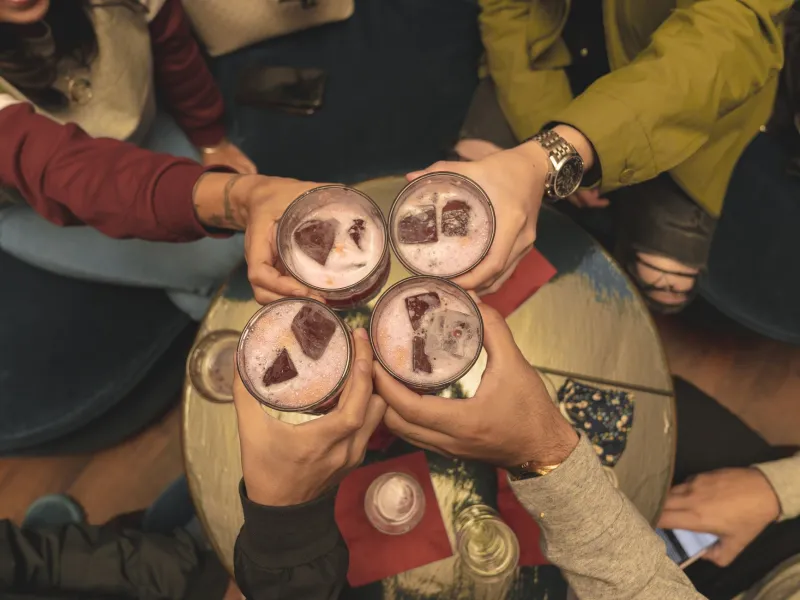
You can still get a perfectly decent pint of something familiar in almost any neighbourhood. But now you can also find a glass of cloudy pét-nat poured by someone who'll tell you exactly where the grapes came from and why that matters, in a room where nobody's going to look at you sideways for asking questions.
That's not a small thing. That's a city figuring out, on its own terms, what it wants to be.