Off the Map: Birmingham's Hidden Venues and Underground Spaces Worth Hunting Down
Off the Map: Birmingham's Hidden Venues and Underground Spaces Worth Hunting Down
There's a version of Birmingham nightlife that exists entirely on Instagram highlight reels — the canal-side cocktail bars, the gleaming Brindleyplace terraces, the well-lit rooftops with their skyline selfies. It's fine. It's genuinely fine. But if you've lived here long enough, or if you're the kind of visitor who'd rather find something real than something photogenic, you already know that the city's most interesting evenings tend to happen somewhere else entirely.
Somewhere with a hand-painted sign, or no sign at all. Somewhere you heard about through a mate who heard about it through someone they met at a gig. Somewhere that doesn't advertise, doesn't need to, and would probably rather you didn't spread it around too widely.
Birmingham has always had this. A parallel entertainment scene running quietly alongside the mainstream — scrappier, stranger, and often far more memorable. The trick is knowing where to look.
Why the Hidden Stuff Hits Differently
There's a reason regulars at Birmingham's more elusive venues tend to get oddly protective about them. It's not snobbery — or at least, not entirely. It's that these spaces have a particular atmosphere that only survives at a certain scale. Pack them out with hen dos and stag groups who found them on TripAdvisor, and something irreplaceable gets lost.
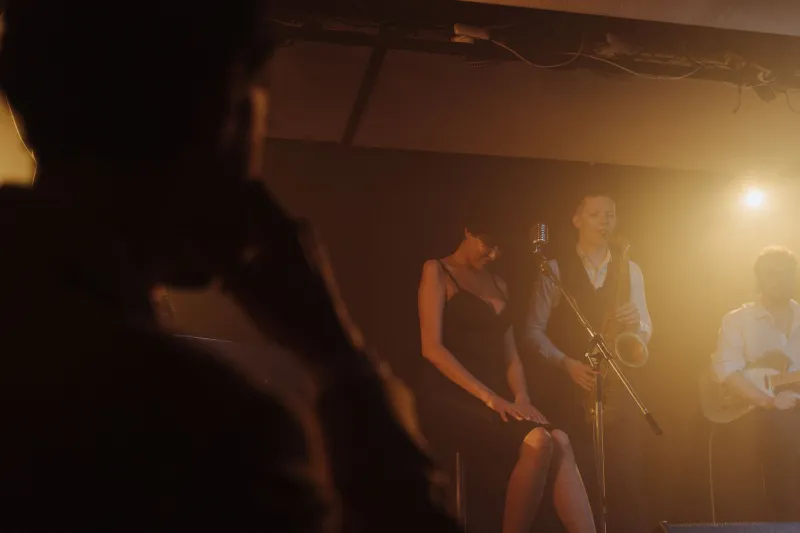
The best underground venues in this city share a few qualities. They're usually run by people who genuinely care about what they're programming — whether that's leftfield electronic music, experimental theatre, or a rotating roster of local artists showing work on whitewashed brick walls. They tend to be cheap, or at least reasonably priced. And they feel earned, in the way that anything you've had to seek out tends to feel earned.
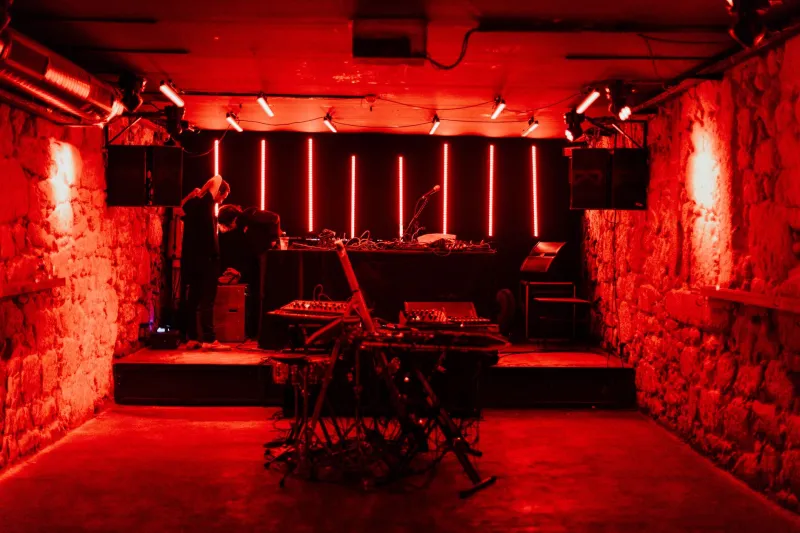
Birmingham's geography helps, too. The city has an abundance of repurposed industrial space — Victorian-era workshops, old print rooms, forgotten basement floors beneath shops that have changed hands a dozen times. These aren't glamorous spaces in the conventional sense, but they've got bones. Character. The kind of architectural texture that a purpose-built venue simply can't manufacture.
The Converted and the Repurposed
Some of Birmingham's most interesting cultural spaces have found homes in buildings that were never designed for entertainment. Think former factories in Digbeth where the loading bays now host late-night markets and the upper floors become makeshift music venues on weekends. Think railway arches that have been colonised by independent promoters running monthly club nights with a fiercely loyal following.
Digbeth, in particular, deserves its reputation as the city's creative engine room. The neighbourhood has resisted the polish that's transformed other parts of Birmingham, and that resistance has paid off culturally. Streets that look unremarkable by day reveal themselves after dark — a door that's been there for years suddenly has a queue outside it, a car park becomes an outdoor cinema, a warehouse that's been empty all week fills with four hundred people dancing to something you've never heard before.
But Digbeth isn't the only postcode worth exploring. Balsall Heath has its own cluster of community-rooted spaces that programme everything from spoken word to world music. Moseley's back streets conceal garden venues that feel more like someone's very large, very well-curated back garden than anything you'd find on a booking platform. Even the city centre, if you know which staircases to take and which basement doors to push, has pockets of the unexpected.
Secret Gardens and Unmarked Doors
One of the more distinctive features of Birmingham's hidden venue scene is the number of outdoor spaces that operate almost entirely on word of mouth. These aren't rooftop bars with a PR strategy — they're courtyard gardens behind pubs that don't appear on Google Maps, or green spaces attached to arts centres that only open for specific events.
Finding them requires a slightly different approach to a standard night out. You're not booking tickets on a mainstream platform and showing up at eight. You're following a trail — a flyer someone photographed on their phone, a cryptic post from an account you've been watching for months, a text chain that suddenly springs to life on a Thursday afternoon.
These spaces tend to operate seasonally, too. Summer in Birmingham unlocks a whole geography of outdoor entertainment that simply doesn't exist in February. Keep that in mind when you're planning.
How to Actually Find These Places
This is the practical bit, and it matters. The hidden Birmingham scene isn't impenetrable — it just requires a slightly different kind of attention.
Follow the right accounts. Birmingham has a genuinely strong network of independent promoters, arts collectives, and venue operators who communicate almost exclusively through Instagram and, increasingly, Substack newsletters. Search for local promoters in the genres or scenes you're interested in, then work outward from there — who are they tagging? Who's reposting their stuff? That network is your map.
Get on mailing lists. A lot of the city's more elusive spaces send out event announcements only to subscribers, sometimes just a day or two in advance. It's worth spending twenty minutes signing up to every independent venue newsletter you can find. Your inbox will thank you in unexpected ways.
Go to things you're not sure about. The hidden scene rewards the curious and punishes the cautious. That event with a vague description and forty-three people interested on Facebook? Go. The worst case is a mediocre night. The best case is something you'll be talking about for years.
Talk to people at gigs. Old-fashioned, yes. Still works. The people who know about the best underground spots in Birmingham are usually at the second-best underground spots, and they're almost always happy to talk about what they love.
Check community noticeboards — physical ones. Launderettes, independent cafés, record shops, arts centres. Flyers still exist, and some of the best ones advertise things that have no online presence whatsoever.
Protecting What Makes It Special
There's a tension at the heart of writing about hidden venues, and it's worth acknowledging honestly. The act of describing these spaces — even in general terms — changes them slightly. The best version of this article sends you down your own path of discovery rather than handing you a list of addresses.
What Birmingham's underground scene needs isn't more exposure, exactly. It needs more people who approach it with the right spirit — who show up because they're genuinely curious, who spend money at the bar, who treat the staff and performers with respect, and who understand that they're guests in something that exists for reasons beyond their entertainment.
Do that, and the city will keep opening doors for you. There are more of them than you'd think.