Dinner Is the Destination: Why Birmingham's Eating Scene Is the Best Night Out You're Not Having
Dinner Is the Destination: Why Birmingham's Eating Scene Is the Best Night Out You're Not Having
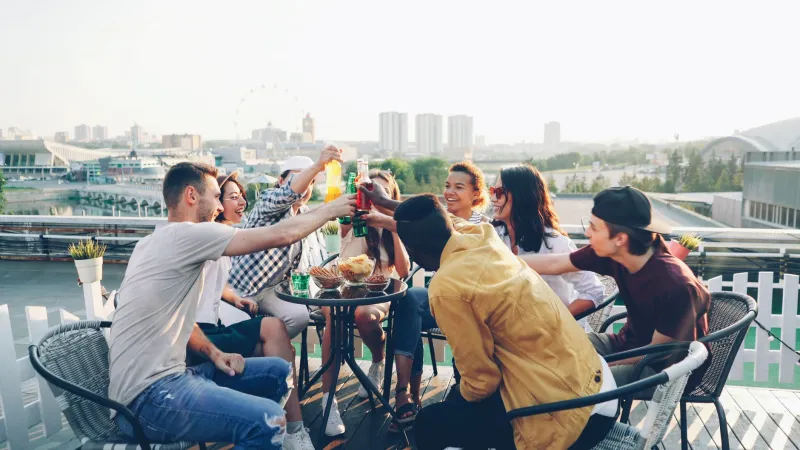
There's a moment — usually somewhere around the second round of drinks, when the food arrives looking almost too good to eat — where you realise the night has already peaked. You haven't even thought about a club. You don't need to. Birmingham figured something out before most cities did: the meal is the event.
This isn't a new story, exactly. But it's one that deserves a proper telling.
The Balti Triangle: Where It All Started
If you want to understand Birmingham's relationship with food as a cultural experience, you start in Sparkbrook. The Balti Triangle — that iconic cluster of South Asian restaurants spread across Ladypool Road, Stoney Lane, and Stratford Road — didn't just feed generations of Brummies. It taught them that eating out could be an occasion, a ritual, a reason to stay out late.
These were restaurants built on generosity. Massive naans. Fragrant, sauce-heavy baltis served in the steel dishes they were cooked in. Families, groups of mates, students on a budget — everyone was welcome, and everyone left satisfied. The whole thing had an energy to it. Loud, warm, communal. You weren't just grabbing food before the real fun started. You were already having it.
That spirit — the idea that sharing a table is its own kind of entertainment — has quietly seeped into every corner of Birmingham's food culture. And in the last decade or so, it's been given a serious upgrade.
The Rise of the Supper Club
Around 2015 or so, something shifted. A new breed of food experience started appearing across Digbeth and the Jewellery Quarter: intimate, ticketed, chef-led supper clubs that felt less like restaurants and more like dinner parties thrown by someone with serious culinary talent and excellent taste in music.
These events — often held in converted warehouses, private dining rooms, or even people's homes — blurred the lines between a meal and a night out. You'd turn up not entirely sure what you were eating, drink something interesting while a chef explained their inspiration, and leave three hours later having talked to strangers like old friends.
Birmingham took to this format enthusiastically. The city has always had a collaborative streak — artists, chefs, and venue owners who know each other, who share spaces and ideas. Supper clubs thrived here because the infrastructure for them already existed. The creativity was already there.
Street Food Gets Serious
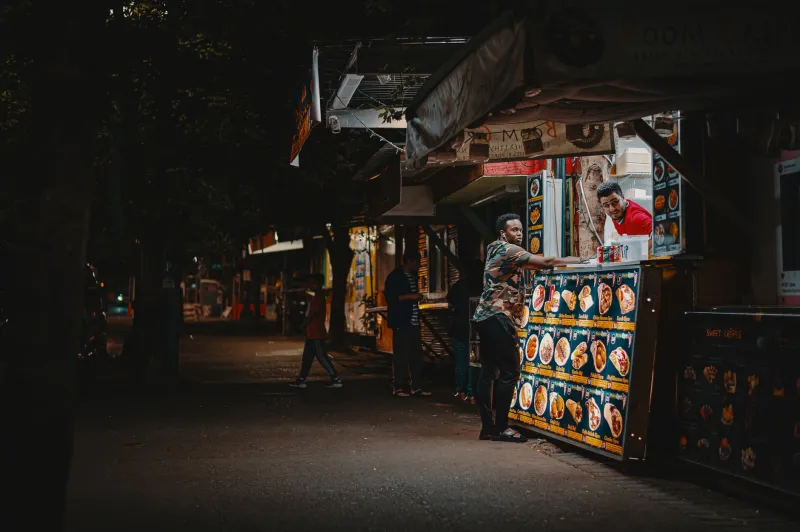
Then came the markets. Birmingham's street food scene evolved fast, and what started as weekend pop-ups in car parks became genuine destinations. Digbeth Dining Club is the obvious landmark — one of the longest-running and most beloved street food events in the UK, full stop. But it's far from the only one.
What makes Birmingham's street food culture distinct is the range. You'll find Jamaican jerk alongside Korean fried chicken alongside proper Black Country faggots alongside vegan Filipino food. It's chaotic in the best possible way, and the atmosphere at a busy Friday night market is electric — festival-level energy without the muddy wellies.
Crucially, these aren't just places to grab a quick bite. People spend their whole evenings at them. There's usually a bar. There's often live music or a DJ. You drift between traders, share things with your mates, argue about which queue was worth the wait. It's a night out with food at the centre of it.
Cocktails, Chefs, and the Pairing Revolution
The latest chapter in Birmingham's food-as-nightlife story is the rise of the chef-cocktail collaboration. A handful of venues across the city — particularly in the city centre and Brindleyplace — have started offering drink menus designed specifically to complement their food, with bartenders and kitchen teams working together in ways that would've seemed pretentious ten years ago but now just feel smart.
Some of the city's more ambitious restaurants now run dedicated pairing evenings, where cocktails are matched course by course with the menu. It's theatrical without being wanky, and it extends the evening naturally — you're not rushing to finish so you can get to the next place. The next place is already here.
Why Birmingham Beats London at Its Own Game
Look, we'll say it plainly: Birmingham's food-led nights out are better value, more inventive, and frankly more fun than most of what London is charging three times the price for. The capital gets the press, the Michelin stars, the influencer coverage. But Birmingham has the actual culture.
There's no performance of exclusivity here. You don't need to know someone or spend a fortune or dress a certain way. You just need to show up hungry and curious. The city will do the rest.
From the Balti Triangle to the supper clubs, from Digbeth's street food chaos to the thoughtful cocktail menus of a Tuesday evening tasting, Birmingham has built something genuinely special: a food scene that doesn't ask you to rush through it. One that treats dinner not as a warm-up act but as the headline.
About time the rest of the country caught on.